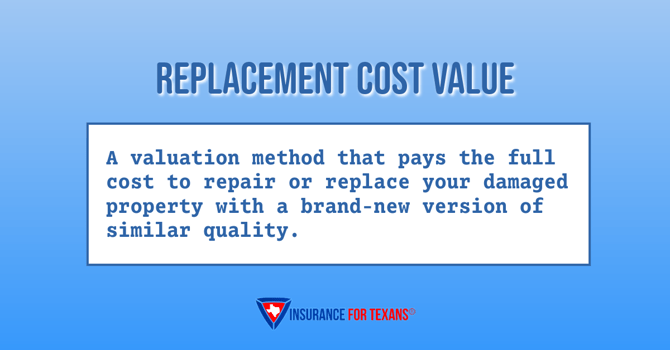
Unlike other methods, RCV does not subtract for depreciation (age, wear, or tear). It is designed to put you back to where you were before the disaster happened.
The Fellowship Hall Fire
A North Texas church recently renovated their fellowship hall with new tables, chairs and audio-visual equipment. A few months later, a small kitchen fire sent smoke throughout the church and damaged much of the new property that they had just purchased. The church’s leaders filed a claim against their property insurance. Since their policy was written for replacement cost coverage on personal property, they were able to replace all the items that were lost.
Rather than receiving a depreciated payment based on the age and condition of the damaged property, the church had coverage designed to help pay the cost of replacing those items with new ones.
Do All Insurance Policies Replace Your Property?
Not every church property policy works the same way. Some policies settle certain property on an actual cash value basis instead of replacement cost. When that happens, the insurance company subtracts depreciation for the age and condition of the damaged property. That difference can become expensive very quickly. A ten year old roof, older sound equipment, worn flooring, or used kitchen equipment may still cost a lot to replace today. But an actual cash value policy may only pay the depreciated value of what the church had before the loss.
With construction materials, equipment, and labor costs continuing to rise, the gap between the depreciated value and the cost of buying new can leave the church with a much larger out-of-pocket expense. This is why church leaders need to know whether their policy provides replacement cost valuation or actual cash value before a claim happens.
What Exactly is Replacement Cost Value?
Replacement cost valuation focuses on what it costs at today’s prices to replace your property.
- Like-Kind and Quality: The policy pays for items of similar grade and quality to what you had.
- Current Market Rates: It accounts for the rising cost of lumber, steel, and electronics.
- Minimized Out-of-Pocket: Aside from your deductible, the financial burden of the new price tag stays with the insurance company, not you.
Why Is Replacement Cost So Important?
For Texas churches, the cost to repair buildings and replace equipment can change quickly. Construction materials, labor, roofing, sound systems, kitchen equipment, and other church property often cost much more to replace today than they did just a few years ago. If your church bought equipment five years ago, the replacement price today may be significantly higher.
Replacement cost coverage helps protect against that gap by valuing damaged property based on what it costs to replace it with new property of similar kind and quality. This matters most with expensive items such as roofs, HVAC systems, sound equipment, and specialized church property, where the depreciated value may be far lower than the actual cost to replace them.
Unlike actual cash value, replacement cost coverage is designed to help your church get back to where it was before the loss without depreciation reducing the value of the damaged property.
Don't Let Depreciation Dictate Your Recovery
Insurance should help your church recover after a loss, not leave you trying to figure out why the claim payment came up short. When you review your church property policy, the valuation method matters. It can determine how much the insurance company pays and how much your church may have to cover out of pocket.
Through our True Texas Church Insurance program, we help church leaders understand whether their property is covered at replacement cost or actual cash value and where depreciation could create a financial gap after a claim.